History
Rev William Branwhite Clarke
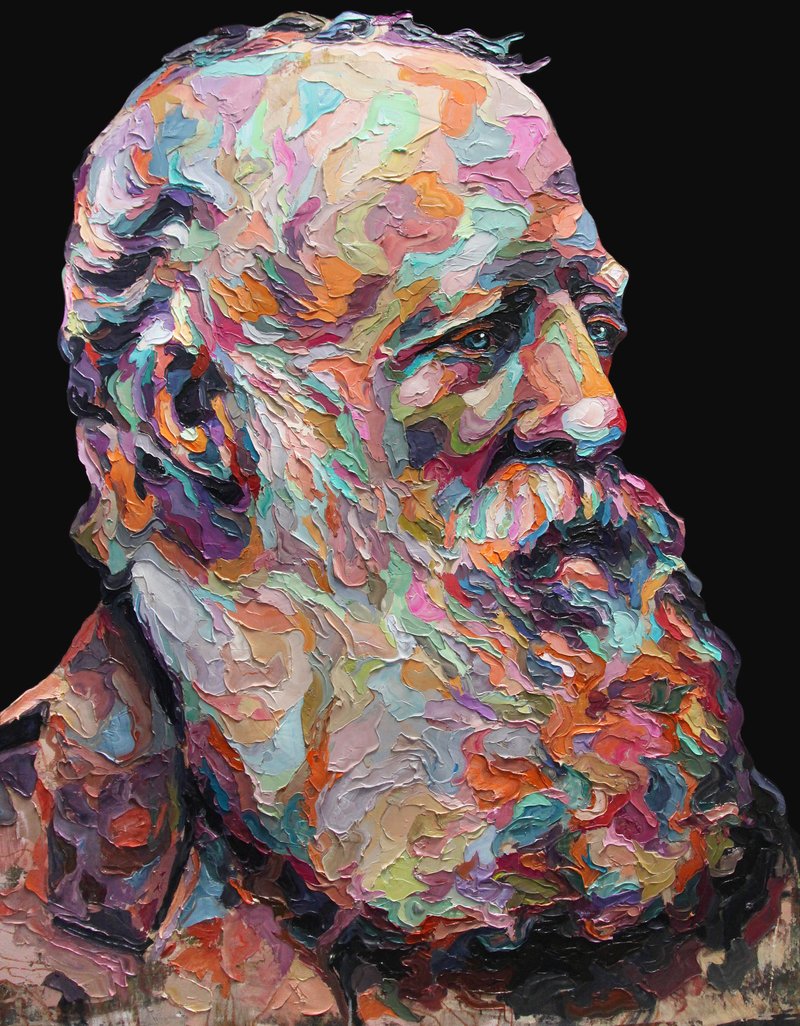
William Clarke College is named in honour of Rev William Branwhite Clarke (1798–1878), a pioneering Anglican clergyman and geologist whose legacy helped shape both the scientific and spiritual landscape of Australia.
Widely regarded as the “father of Australian geology", Clarke conducted extensive surveys across New South Wales, identifying gold deposits and advancing the understanding of coal stratigraphy - contributions that laid the foundation for Australia’s mining industry.
His work bridged science and faith, and his influence extended internationally through correspondence with leading European geologists.
Clarke was the first incumbent of the Parish of Castle Hill, Rouse Hill and Dural, and second Headmaster of The King’s School, Parramatta. His life and work exemplified the vision the College founders had for education, providing a model of rigorous academic enquiry and a life seeking to honour Christ and make Him known.
College Growth
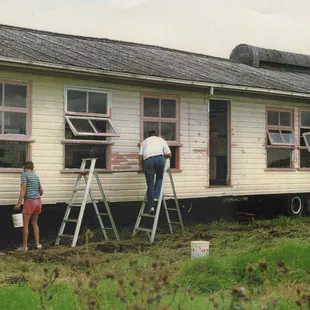
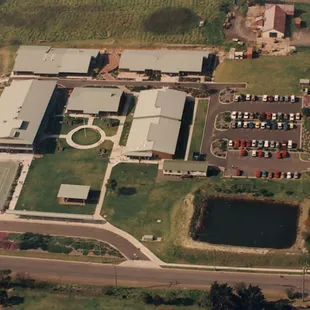
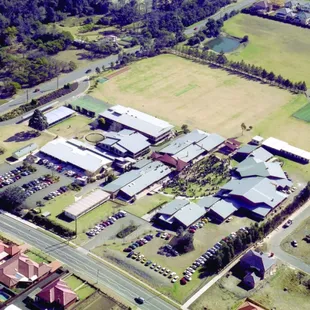
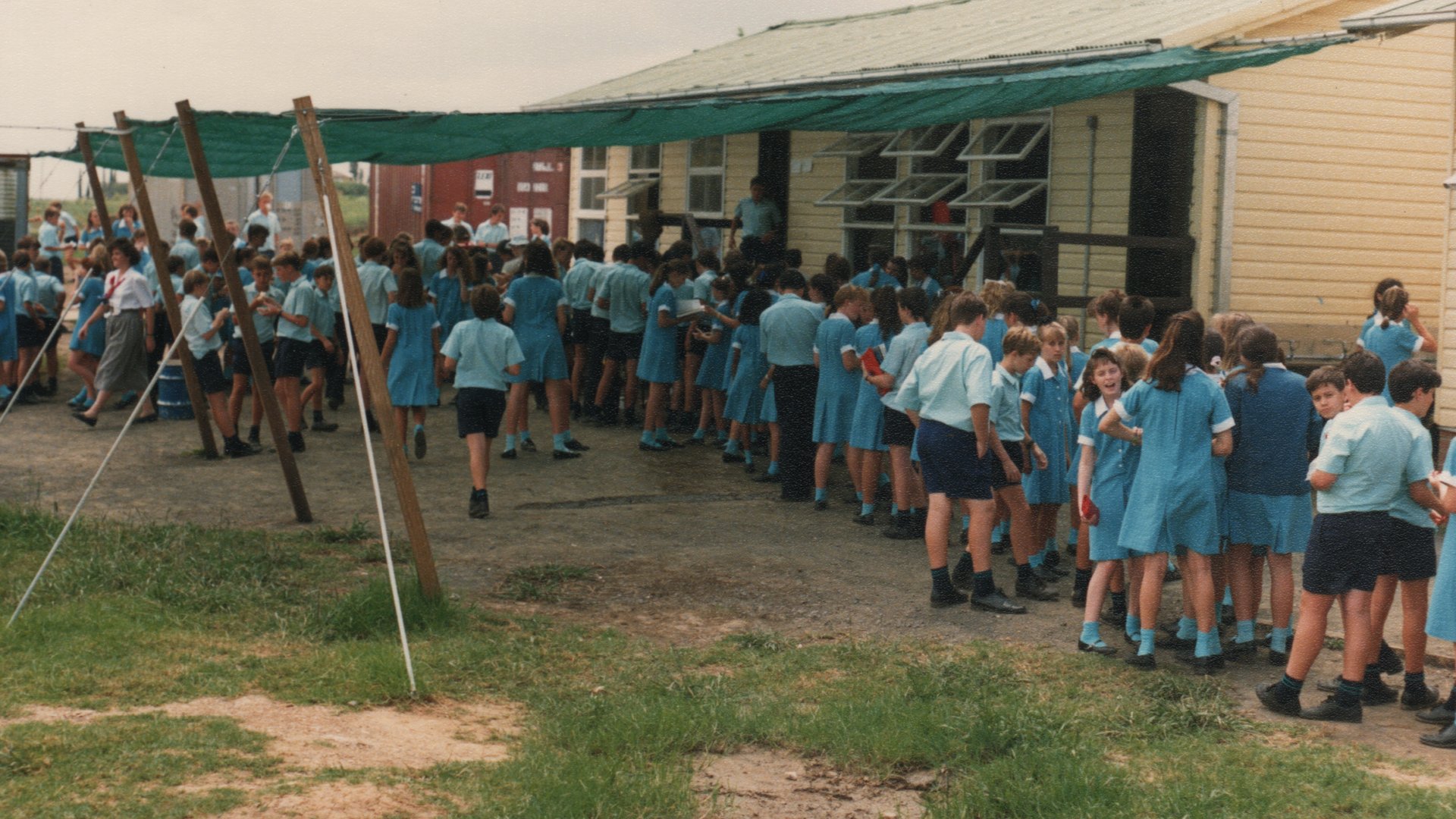
In 2005, the College Council adopted a broader educational philosophy, transitioning from Secondary School to also include a Primary School. This included the introduction of a Junior School (K–4), Middle School (5–8), and Senior School (9–12) by 2007. A Preparatory School was added in 2015, offering families a seamless transition into formal schooling. In 2018, the College restructured into Primary (P–6) and Secondary (7–12), enhancing teaching and learning outcomes across all stages.
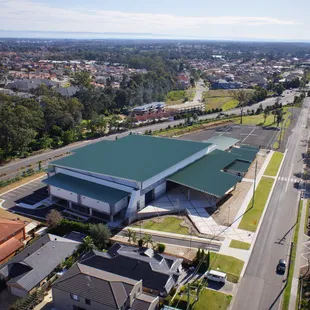
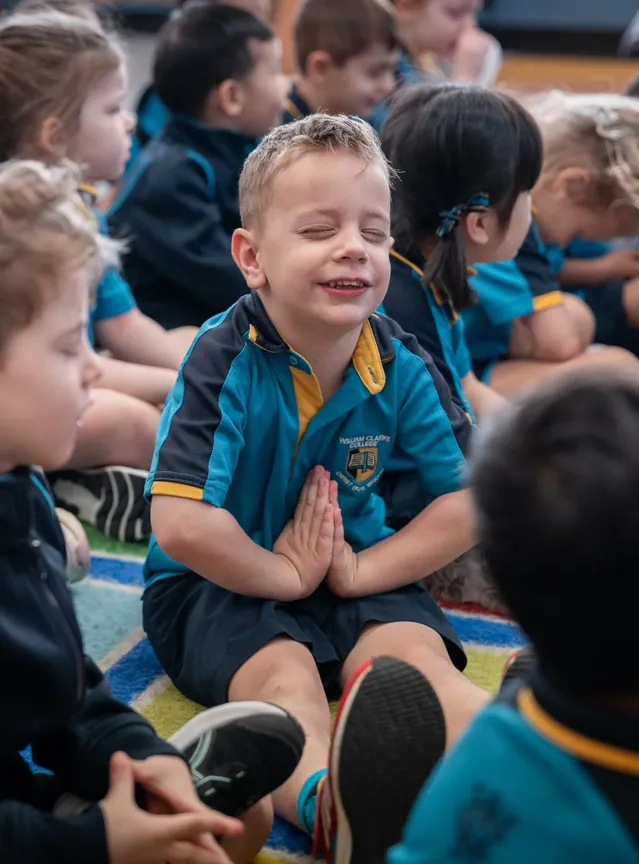
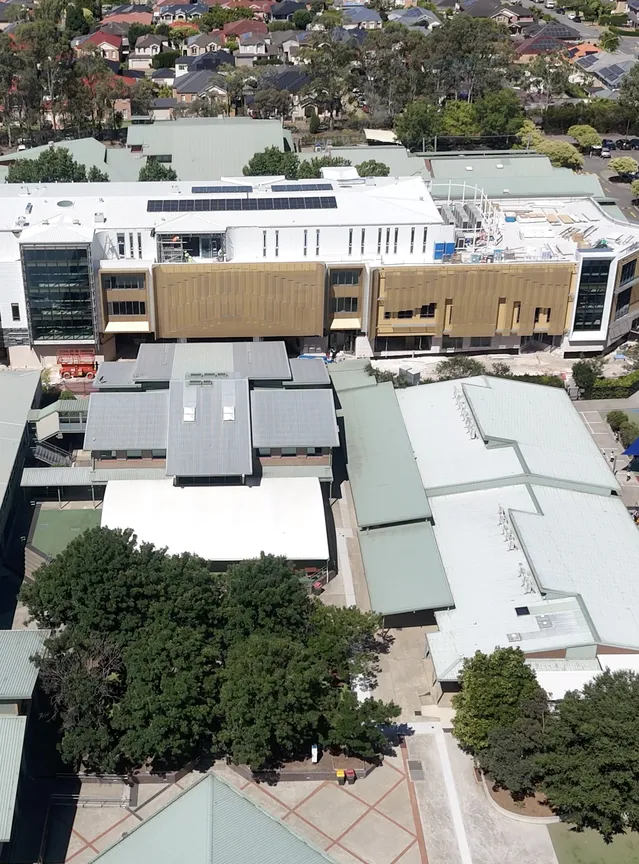
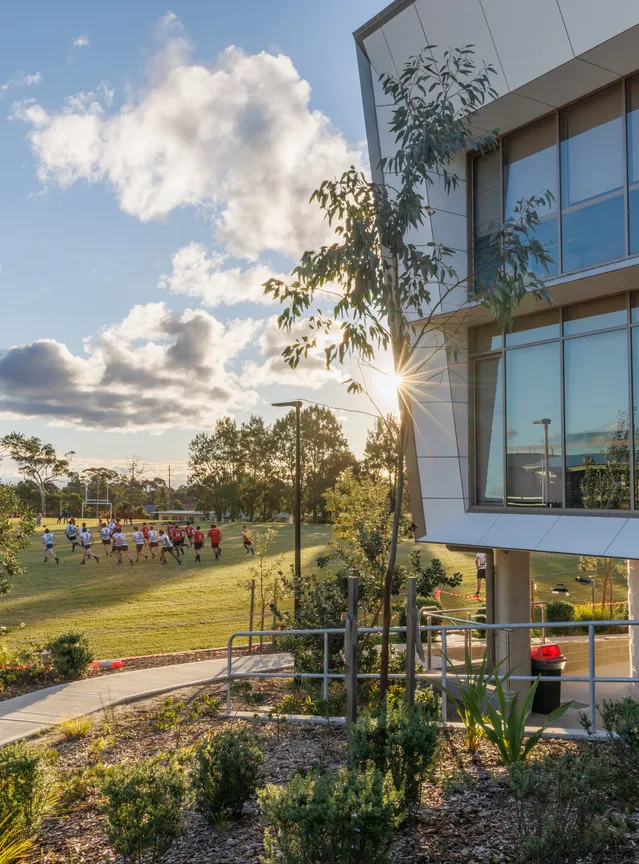
Today, William Clarke College is a thriving Anglican P-12 school with over 2,000 students and over 270 staff. The Kellyville school campus size spans more than eight hectares, featuring purpose-built facilities that support a holistic education. Community engagement remains central to College life, with strong partnerships between families and staff contributing to its continued success.
Heads of College
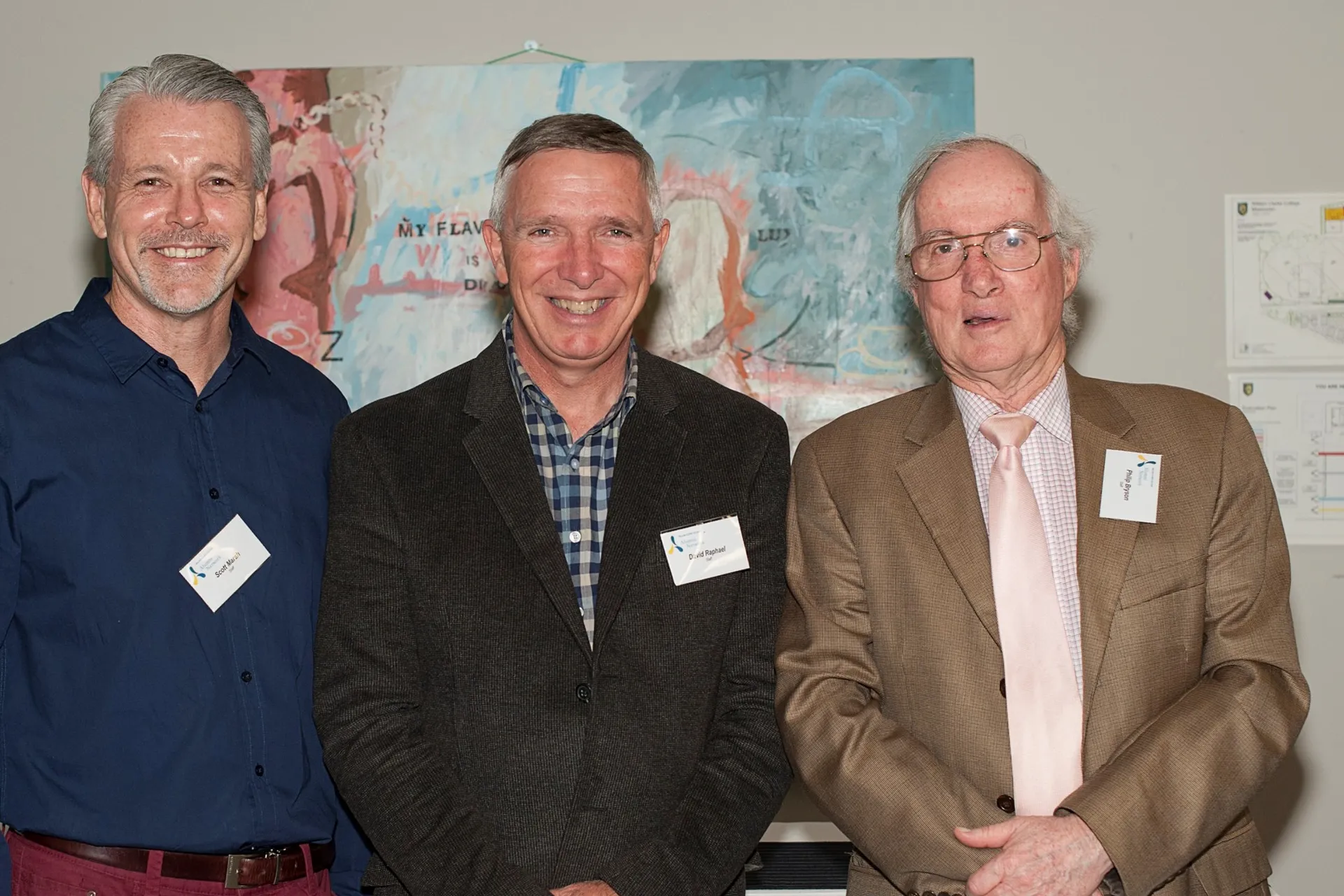
- 1988 - Philip Bryson
- 2002 - David Raphael
- 2017 - Dr Scott Marsh
- 2023 - Alex Koch